Why Do Dogs Wag Their Tails? Decoding Tail Language
For many dog owners, a wagging tail is a welcome sight, often interpreted as a simple sign of happiness. However, the story behind the wag is far more nuanced. Tail movements, combined with other body cues, form a rich language that dogs use to express a wide range of emotional states. From relaxed, friendly greetings to tense, anxious signals, the position, speed, and direction of a tail wag can reveal whether a dog is feeling excited, fearful, or even aggressive. Understanding these variations can help people interpret what their canine companions are truly communicating.
This article explores the science and meaning behind tail wagging, moving beyond the common assumption that every wag equals joy. By examining anatomical factors, behavioral context, and recent research on left-right asymmetries, readers can gain a clearer picture of how dogs use their tails to interact with their environment and with humans. The goal is to provide a neutral, informational framework for observing and appreciating the complexity of this everyday behavior, without oversimplifying or guaranteeing specific interpretations.
The Mechanics of a Wag: Anatomy and Control
A dog’s tail is an extension of its spine, composed of a variable number of vertebrae, muscles, and nerves that allow for precise and varied movements. The base of the tail connects to the sacrum and is controlled by a set of voluntary muscles, meaning that dogs can consciously alter the position and motion of their tails, though some aspects may also be influenced by involuntary emotional responses. The range of motion and flexibility differ widely among breeds—for example, a Labrador Retriever may have a thick, straight tail that wags broadly, while a Greyhound has a long, curved tail that moves with more subtlety.
Beyond simple motion, the tail plays a role in balance and social signaling. When a dog wags its tail, the muscles on either side of the tail contract and relax in an alternating pattern. The speed and amplitude of these contractions are modulated by the dog’s arousal level and emotional state. Researchers have observed that the tail acts as a kind of social semaphore, conveying information about the dog’s intentions and feelings to other animals and people. This understanding is foundational for decoding what a tail wag may mean in a given moment, as the physical characteristics of the wag are directly linked to the dog’s internal state.
Common Tail Wag Variations and Their Emotional Correlates
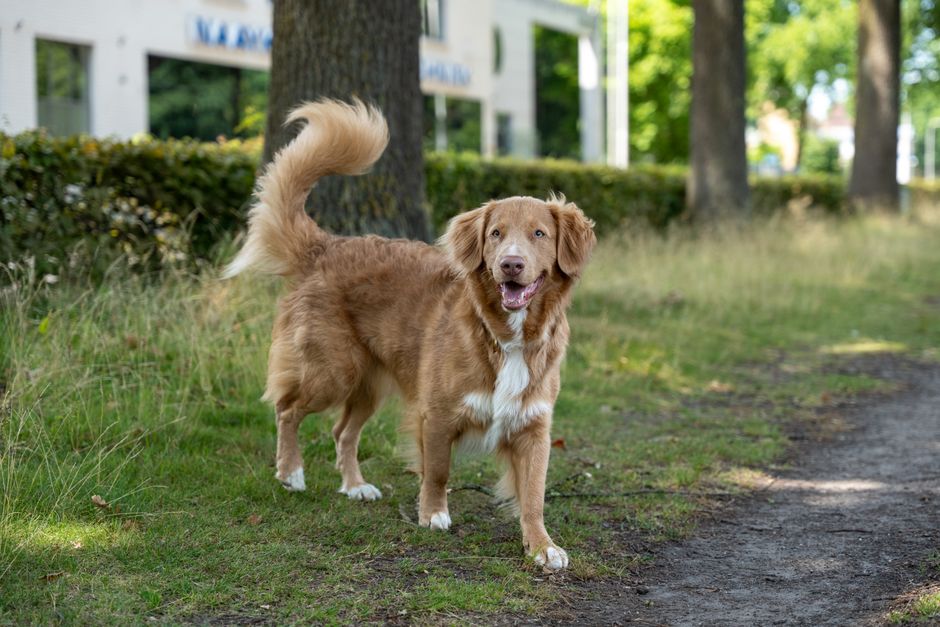
When observing a dog’s tail, several key parameters provide clues about its emotional state. The height of the tail relative to its natural position is often one of the first indicators. A tail carried high and wagging stiffly can indicate arousal or alertness, which may be associated with excitement or, in some contexts, a potential challenge. Conversely, a tail held low or tucked between the legs suggests fear, submission, or anxiety. A tail positioned at a middling level and wagging in a broad, relaxed manner is most commonly associated with a friendly, contented mood.
Speed and stiffness also play critical roles. Rapid, short wags with a high tail often correlate with high arousal, which could be positive (e.g., anticipation of a walk) or negative (e.g., defensiveness). Slow, sweeping wags, especially when combined with a relaxed body posture, typically indicate a calm, approachable state. Stiff, fast wags that involve only the tip of the tail may signal that the dog is uncertain or on guard. Aggression-related wags are often accompanied by a rigid body, ears pinned back, and a fixed stare. It is important to note that these patterns are tendencies, not absolute rules, and that individual dogs may display variations based on breed, prior experiences, and the specific situation.
The Left-Right Asymmetry: What Direction Reveals
Recent studies have uncovered an intriguing aspect of tail wagging: the direction of the wag may be linked to the emotional valence of the dog’s experience. Research using EEG and behavioral observations suggests that dogs tend to wag their tails more to the right side of their body when encountering stimuli they perceive as positive or familiar, such as their owner or a friendly animal. This rightward bias is thought to be associated with activation of the left hemisphere of the brain, which processes approach-related emotions. In contrast, a leftward tail bias—more wagging to the left side—may occur when the dog faces something negative or stressful, such as an unfamiliar or threatening dog, reflecting right-hemisphere activation associated with withdrawal or fear.
While this area of research is still developing, it offers a fascinating layer of detail for those observing canine behavior. The asymmetry is subtle and may not be visible without careful attention, but it underscores the complexity of tail communication. It also reinforces the idea that a wag is not a simple binary signal. Instead, it is a dynamic response influenced by neurological processes that integrate memory, emotion, and environmental context. For anyone interested in decoding tail language, being aware of such nuances can lead to more informed observations without assigning fixed meanings.
Context and Companion Cues: Reading the Whole Picture
A tail wag does not exist in isolation. To interpret it accurately, one must consider the dog’s entire body language, including ear position, eye contact, mouth tension, vocalizations, and overall posture. A wagging tail combined with a soft, wiggly body, relaxed ears, and a play bow usually points to a friendly invitation to interact. Alternatively, a wagging tail paired with a stiff, forward-leaning stance, dilated pupils, and a low growl may indicate a heightened state of arousal that could precede aggressive behavior. The environment and the presence of other animals or people also shape the meaning of a wag.
Different contexts can cause the same physical wag to carry different messages. For instance, a dog that wags its tail during a veterinary visit may be expressing a mix of anxiety and excitement, not pure happiness. Similarly, a dog that wags its tail while guarding a resource might be signaling conflict rather than friendliness. Breed-specific traits also matter: dogs with docked tails or naturally short tails have limited mobility, but they still communicate through other body signals. Observing the full behavioral mosaic helps avoid misinterpretation and promotes a more accurate understanding of the dog’s emotional state.
As animal behaviorists frequently note, a wagging tail is a form of communication, but the message depends on the conversation. Without reading the other signals, the wag alone is an incomplete sentence.
Applying Tail Language Knowledge in Daily Interactions
For those who spend time with dogs, becoming more attuned to tail signals can enhance mutual understanding and reduce the likelihood of miscommunication. Observing how a dog’s tail changes in response to different stimuli—such as new people, other animals, sounds, or toys—offers insight into its comfort level and preferences. It can also help in recognizing signs of stress or discomfort before they escalate. However, it is essential to approach this knowledge with humility and recognize that no single cue provides a complete picture. A dog’s behavior is the result of many interacting factors, including past experiences, health status, and immediate environment.
Rather than using tail wagging as a quick checklist, the most effective approach is to combine tail observations with other body language indicators over time. This practice builds a broader understanding of an individual dog’s unique communication style. Resources such as books on canine ethology and guidance from certified professionals can offer further depth for those interested. Ultimately, decoding tail language is a skill developed through careful, patient observation, not through rigid formulas. By appreciating the richness of this form of communication, people can engage with dogs in ways that respect the animal’s perspective and foster safer, more positive interactions.